1. A Living Heritage — Ukrainian Traditions Across Canada
When Ukrainian settlers first arrived in Canada in the 1890s, they carried with them far more than the practical necessities of frontier life. Packed alongside farming tools and household goods were the songs, dances, recipes, and ritual traditions of centuries of Ukrainian village culture. Remarkably, many of these traditions have not only survived the transplantation to Canadian soil — they have flourished, maintained with a devotion that sometimes surpasses their preservation in Ukraine itself.
From the prairies of Alberta and Manitoba to the urban neighborhoods of Toronto and Winnipeg, Ukrainian folk traditions remain a vibrant part of Canadian cultural life. They are performed in church halls and on festival stages, taught in dance schools and community kitchens, and celebrated at gatherings that draw participants from across the country. Understanding the history of Ukrainian immigration to Canada helps explain how and why these traditions took such deep root.
This article explores the major Ukrainian folk traditions that thrive in Canada today, from seasonal celebrations and performing arts to culinary heritage and sacred architecture.
2. Seasonal Celebrations — The Ritual Calendar
Koliadky — Christmas Caroling
Among the most cherished Ukrainian-Canadian traditions is koliadky (колядки), the practice of Christmas caroling that blends ancient pre-Christian winter solstice rituals with Christian nativity celebrations. In Ukrainian communities across Canada, groups of carolers — often organized through churches or youth organizations — travel from house to house during the Christmas season, singing traditional carols and receiving treats and donations in return.
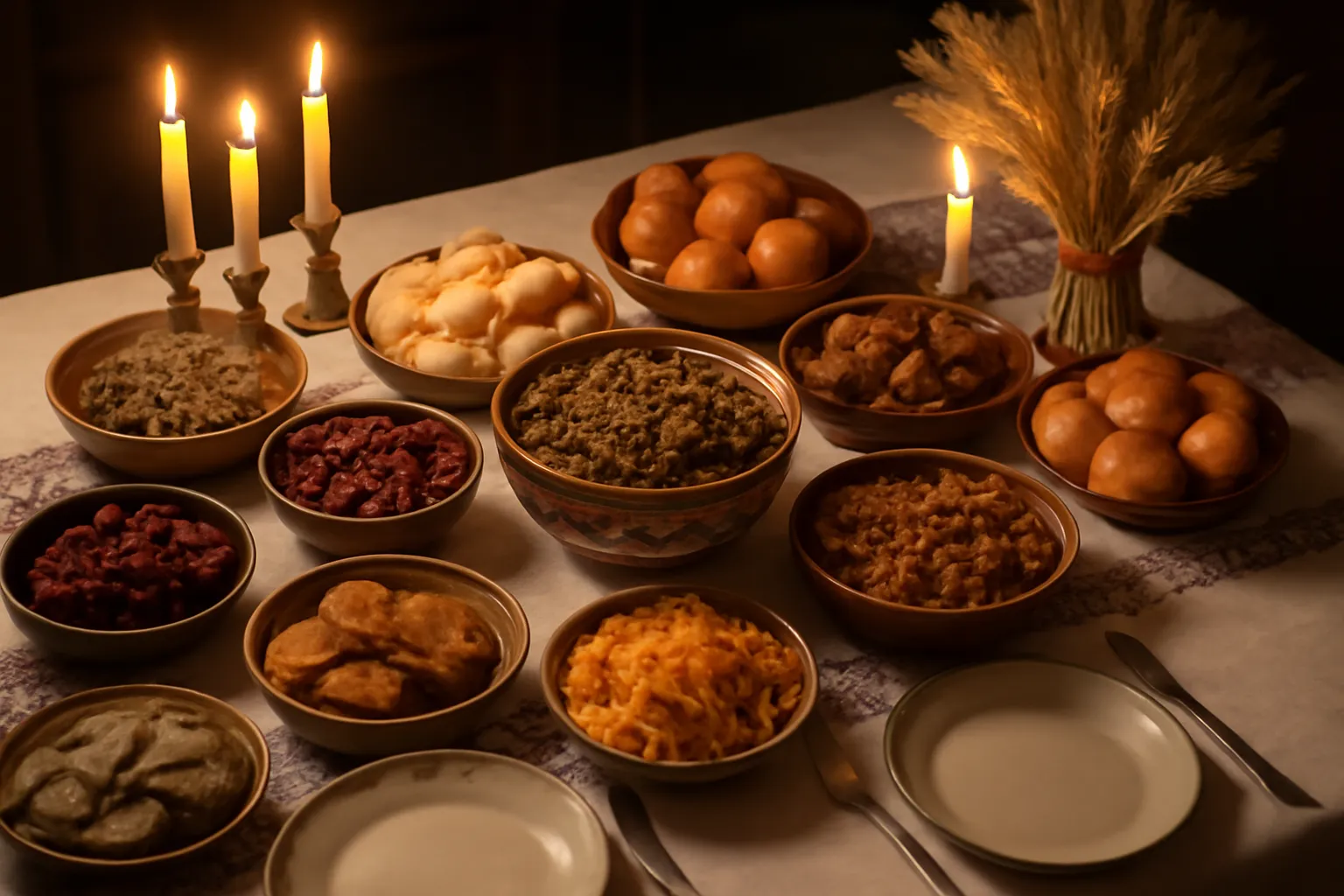
Ukrainian Christmas, celebrated on January 7 according to the Julian calendar by many Ukrainian-Canadian families, is preceded by Sviat Vechir (Святий Вечір), the Holy Evening supper on January 6, featuring twelve meatless dishes. The koliadky tradition is intimately connected to this broader Christmas celebration, which encompasses rituals of remarkable beauty and spiritual depth. For a complete exploration of these customs, see our guide to Ukrainian Christmas customs and cuisine.
Malanka — Ukrainian New Year’s Eve
Malanka (Маланка), celebrated on January 13 (New Year’s Eve according to the Julian calendar), is one of the most exuberant events in the Ukrainian-Canadian social calendar. Traditionally, Malanka involved groups of costumed revelers — including characters such as the goat (koza), the gypsy, and Malanka herself — going from house to house performing comic skits, singing, and dancing.
In Canada, Malanka has evolved into a beloved occasion for formal dinner-dances (often called Malanka balls), organized by Ukrainian community organizations and featuring live orchestras, Ukrainian folk performances, and elaborate decorations. The town of Vegreville, Alberta is particularly renowned for its Malanka celebrations, which draw attendees from across Western Canada.
Hahilky — Easter Spring Dances
Hahilky (гагілки), also known as vesnianky (spring songs), are ritual circle dances and songs traditionally performed by young women during the Easter season. These ancient rites, which predate Christianity and are rooted in spring fertility rituals, involve elaborate choreographed movements performed in circles or lines, accompanied by call-and-response singing.
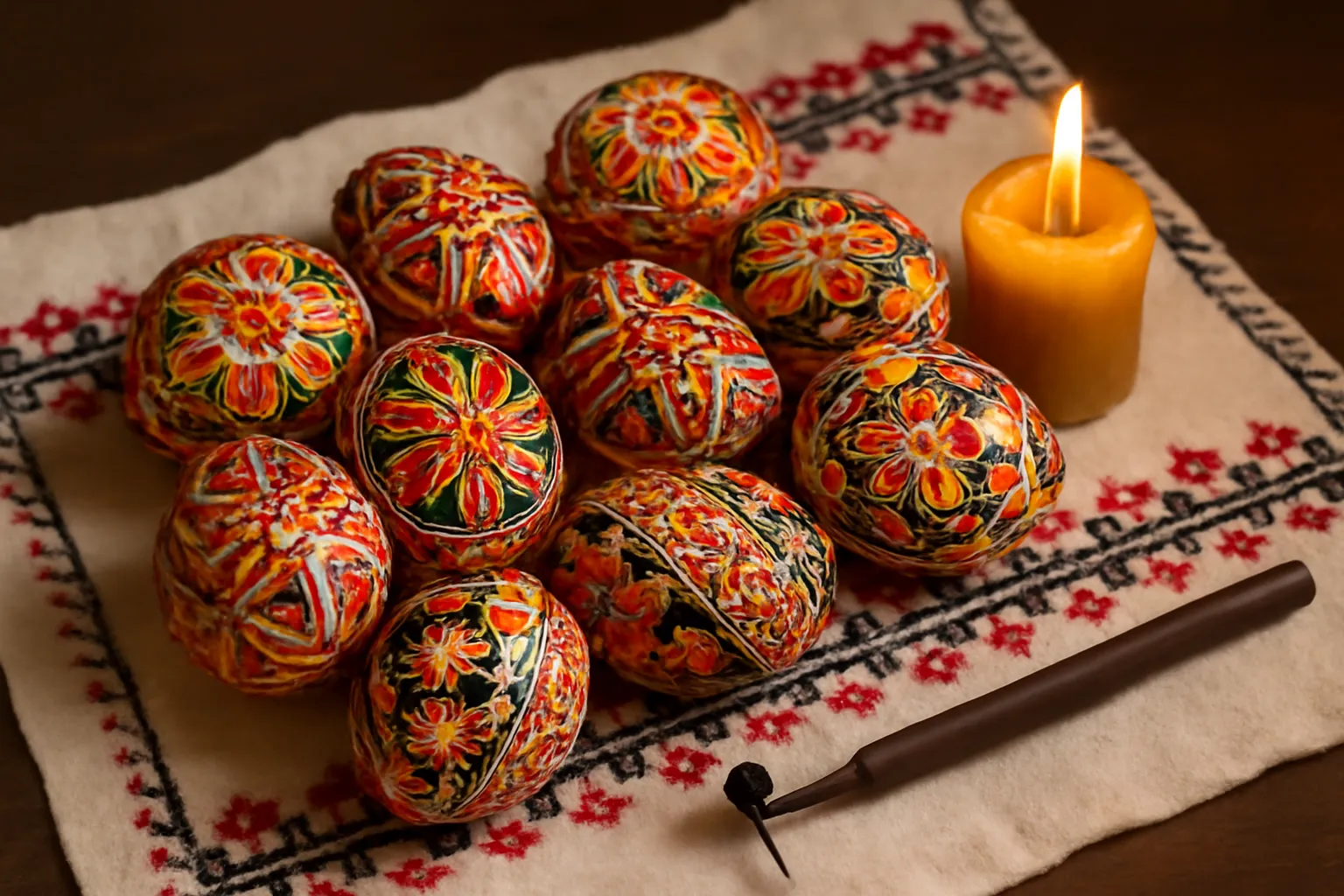
In Canada, hahilky are performed at Easter gatherings, particularly in communities with strong connections to Western Ukrainian traditions. They form part of the rich tapestry of Ukrainian Easter observances that also includes the renowned art of pysanky — decorated Easter eggs, church services, and the blessing of Easter baskets (sviachene).
3. Ukrainian Dance — From Village Courtyards to World Stages
Ukrainian folk dance is arguably the most internationally recognizable expression of Ukrainian culture, and in Canada it has developed into a performing art of extraordinary vitality and technical sophistication.
The Hopak and Regional Dance Styles
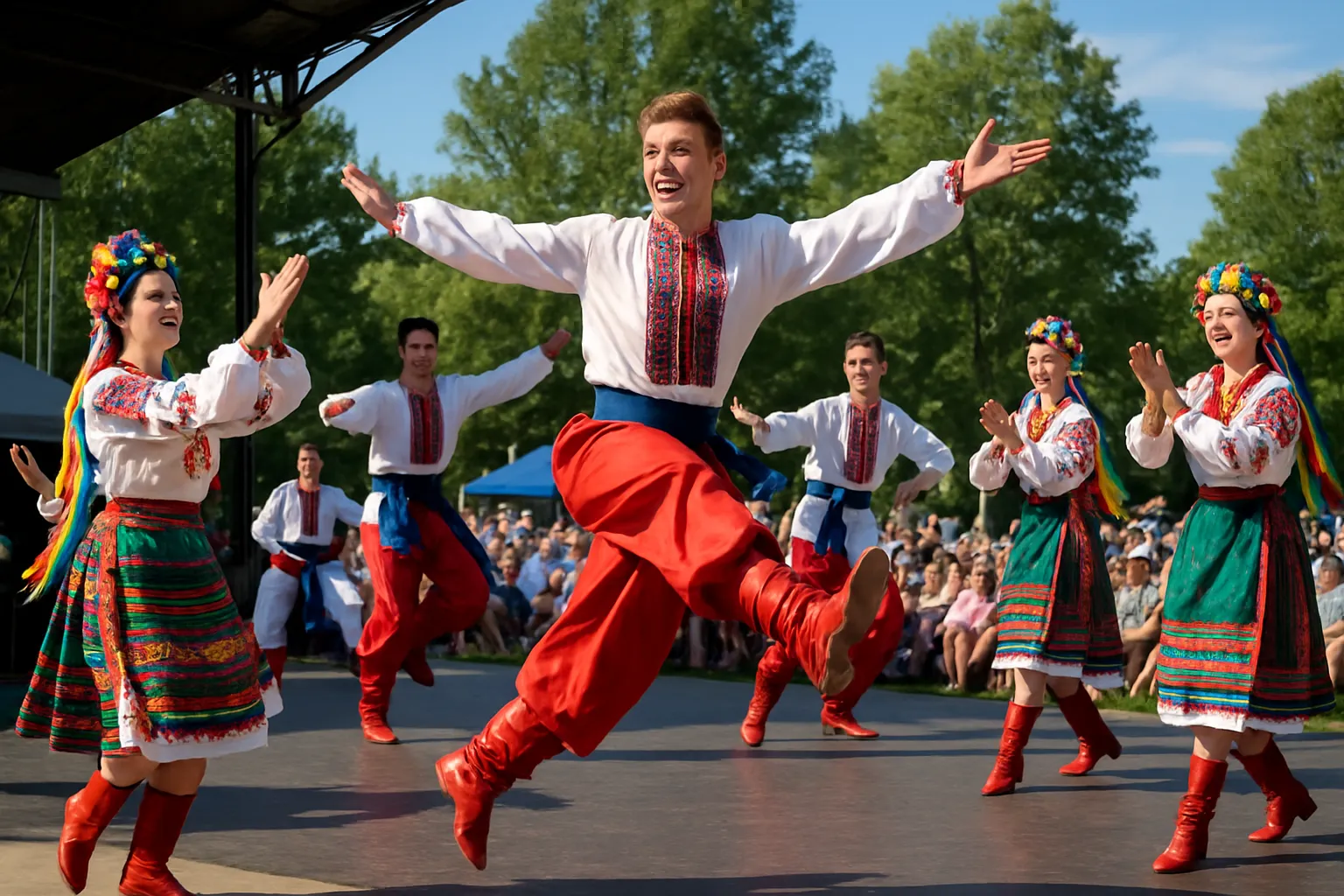
The Hopak (гопак), often called the national dance of Ukraine, is a dynamic, acrobatic dance originally performed by Zaporozhian Cossacks. Characterized by high leaps, spinning kicks (prysiadky), and explosive energy, the Hopak has become the signature finale of Ukrainian dance performances worldwide.
Beyond the Hopak, Ukrainian folk dance encompasses a rich variety of regional styles, each reflecting the geography, history, and character of its home area. These include the graceful dances of Polissia (northern Ukraine), the vigorous mountain dances of the Hutsul and Lemko regions of the Carpathians, and the elegant salon-influenced dances of Poltava in central Ukraine. Ukrainian embroidery and traditional costumes share deep roots with broader Slavic textile traditions — explore more at Costume Russe.
Major Canadian Dance Ensembles
Canada is home to some of the world’s finest Ukrainian dance companies:
- Ukrainian Shumka Dancers (Edmonton) — Founded in 1959, Shumka is one of the premier Ukrainian dance companies in the world, known for theatrical productions that blend traditional choreography with contemporary stagecraft.
- Rusalka Ukrainian Dance Ensemble (Winnipeg) — Established in 1962, Rusalka maintains a strong focus on authentic regional choreography and has trained generations of dancers.
- Desna Ukrainian Dance Company (Toronto) — One of Ontario’s leading Ukrainian dance ensembles, performing at national and international events.
- Pavlychenko Folklorique Ensemble (Saskatoon) — A Saskatchewan institution known for its commitment to traditional dance forms.
Hundreds of community-based dance schools across Canada ensure that Ukrainian dance remains accessible to children and adults alike, making it one of the most widely practiced folk dance traditions in the country.
4. Bandura Music and the Kobzar Tradition
The bandura (бандура) is a Ukrainian stringed instrument of remarkable beauty, combining the tonal range of a harp with the portability of a lute. Its origins trace back to the kobzari (кобзарі), blind itinerant musicians who traveled through Ukraine for centuries, singing epic ballads (dumy) that preserved the historical memory of the Ukrainian people.
The kobzar tradition suffered devastating repression under Soviet rule — in 1932, Soviet authorities reportedly gathered hundreds of kobzari at a congress in Kharkiv and had them executed, attempting to silence the living carriers of Ukrainian oral history. In Canada, the bandura tradition was revived and sustained by immigrant musicians and their students.
Today, bandura ensembles operate in several Canadian cities, including the Canadian Bandurist Capella (Toronto), one of the foremost bandura ensembles in the world. The instrument is taught at Ukrainian community music schools, and bandura performances are a cherished feature of Ukrainian-Canadian cultural events. For a broader perspective on Slavic heritage and traditional crafts, visit Heritage Russe.
5. Perogies, Borscht, and Culinary Heritage
Ukrainian cuisine is perhaps the most universally beloved aspect of Ukrainian-Canadian culture, and its flagship dishes have become staples of Canadian food culture far beyond the Ukrainian community.
Perogies (Varenyky)
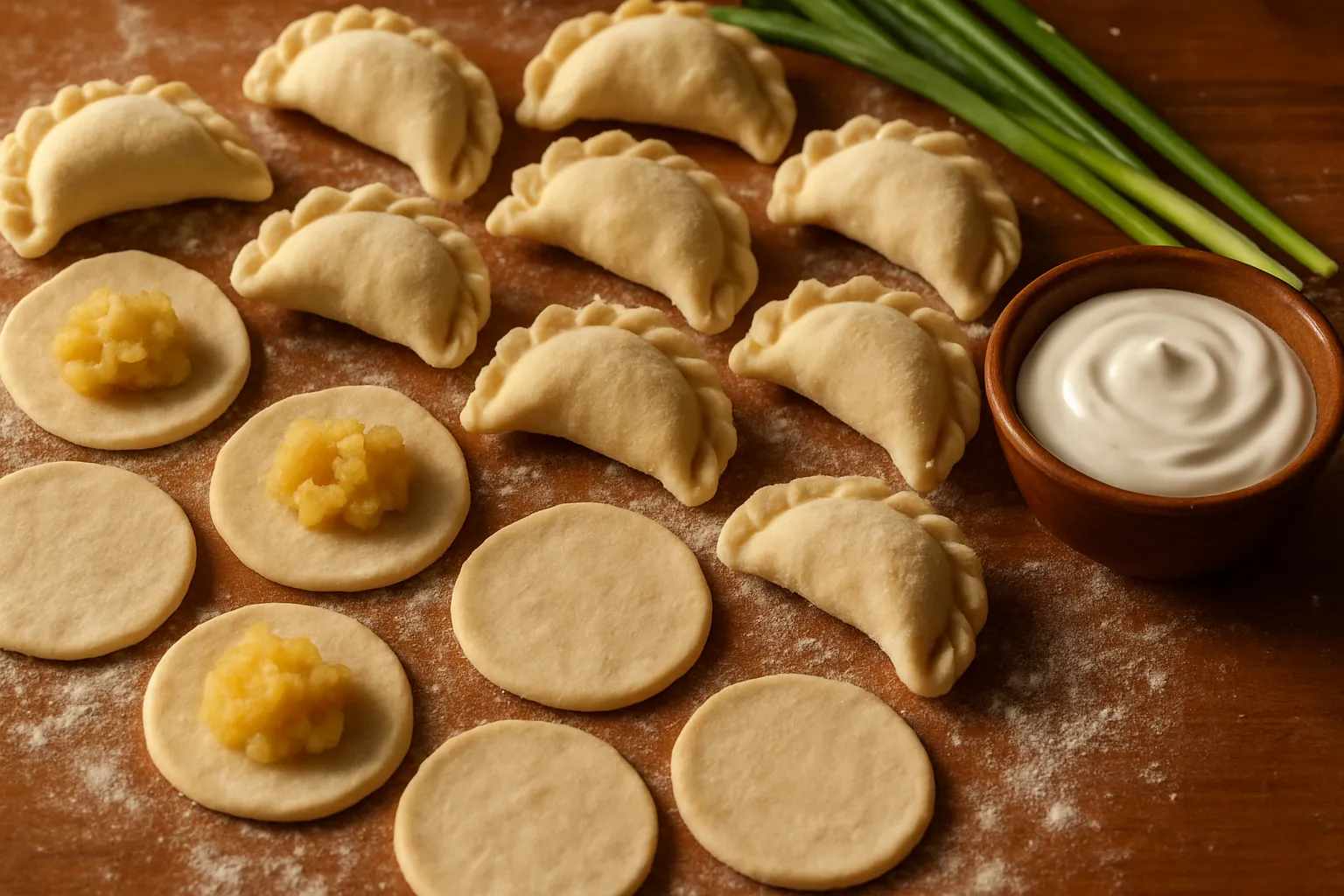
Perogies — known in Ukrainian as varenyky (вареники) — are stuffed dumplings filled with potato, cheese, sauerkraut, mushrooms, or fruit. In Ukrainian-Canadian communities, perogy-making is a communal activity of deep social significance. Church halls and community centers regularly host perogy-making sessions where dozens of volunteers gather to prepare thousands of perogies, maintaining recipes and techniques passed down through generations.
Borscht
Borscht (борщ), the iconic beet soup, exists in countless regional variations across Ukraine. In Canada, it remains a cornerstone of Ukrainian home cooking and is served at virtually every Ukrainian community event. Whether prepared as a hearty winter meal with beef and cabbage or as a clear, elegant beet consommé for Christmas Eve, borscht is the dish that most powerfully evokes the taste of Ukrainian heritage.
Other Traditional Foods
The Ukrainian-Canadian culinary repertoire extends well beyond perogies and borscht to include holubtsi (голубці, cabbage rolls), kovbasa (ковбаса, garlic sausage), pampushky (пампушки, filled doughnuts), kutia (кутя, Christmas wheat berry pudding), and babka (Easter bread). These foods anchor the ritual calendar, with specific dishes associated with Christmas, Easter, weddings, and other celebrations.
6. Ukrainian Churches — Onion Domes on the Prairie
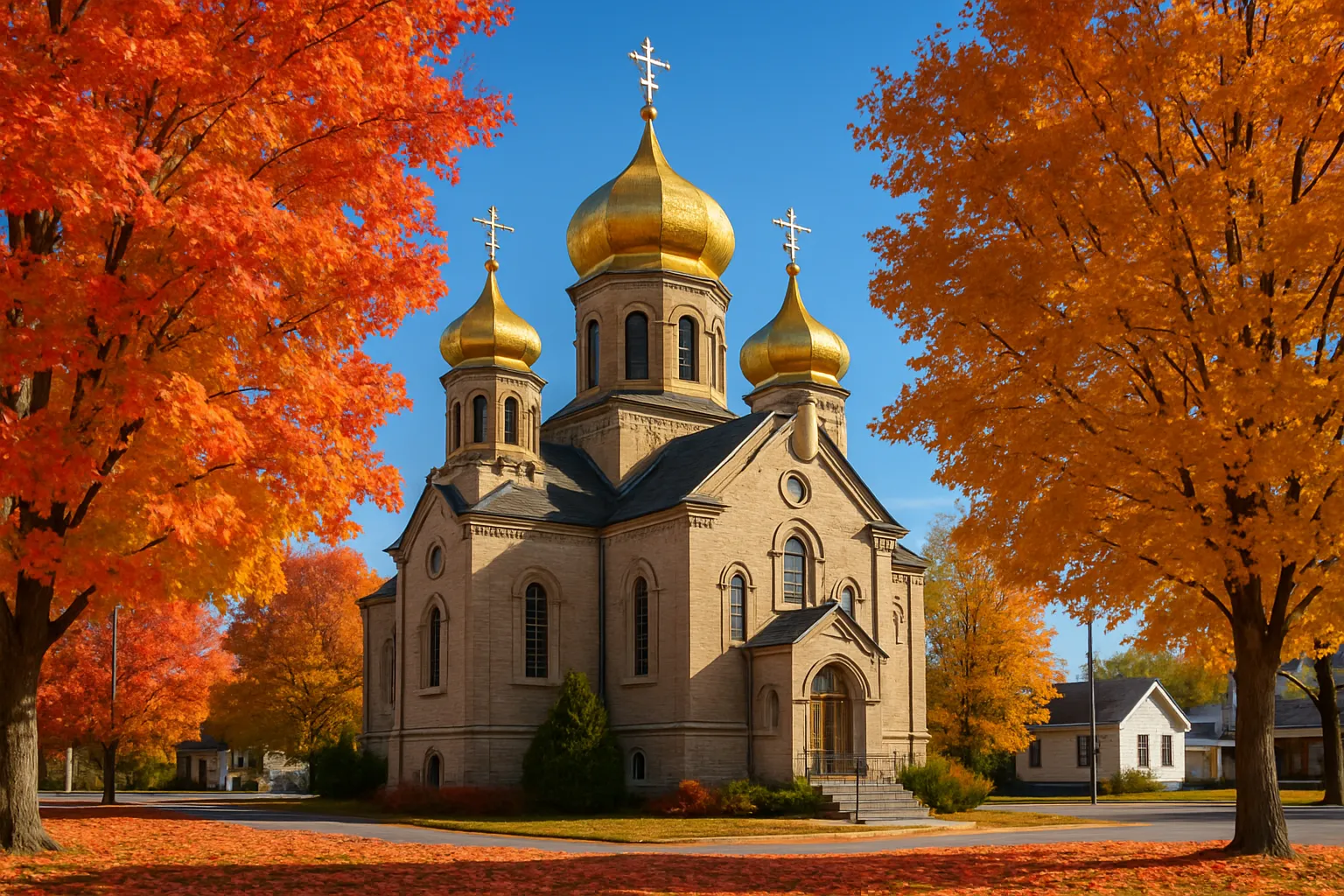
One of the most striking visual markers of Ukrainian settlement across Canada is the presence of Ukrainian churches, distinguished by their characteristic onion-shaped domes (banі) and Byzantine-influenced architecture. These churches — belonging primarily to the Ukrainian Catholic and Ukrainian Orthodox traditions — were among the first structures built by Ukrainian settlers, serving as both spiritual centers and community gathering places.
Across the Canadian prairies, dozens of historic Ukrainian churches still stand, many of them now recognized as heritage sites. Notable examples include the cluster of painted churches in the Interlake region of Manitoba and the historic churches of east-central Alberta. Their interiors often feature elaborate iconostases (icon screens) and wall paintings in the Byzantine tradition, creating spaces of extraordinary sacred beauty.
These churches continue to serve as anchors of Ukrainian-Canadian community life, hosting not only religious services but also cultural events, language classes, and the holiday celebrations that keep Ukrainian traditions alive.
7. Major Ukrainian Festivals in Canada
Ukrainian-Canadian culture is celebrated annually at festivals across the country, drawing tens of thousands of visitors and showcasing the full range of Ukrainian folk traditions.
Canada’s National Ukrainian Festival — Dauphin, Manitoba
Held annually since 1966, the Dauphin National Ukrainian Festival (commonly known as Canada’s National Ukrainian Festival) is the country’s premier celebration of Ukrainian-Canadian culture. The multi-day event features performances by leading Ukrainian dance ensembles, live music, traditional food, artisan demonstrations, and cultural exhibitions. Set in the heart of Manitoba’s Parkland region — one of the earliest areas of Ukrainian settlement — the festival draws visitors from across North America.
Vegreville Pysanka Festival — Alberta
The town of Vegreville, Alberta is home to the world’s largest pysanka (Easter egg), a monumental sculpture standing over 9 meters tall. The annual Pysanka Festival celebrates Ukrainian culture with dance, music, and artisan workshops, set against the backdrop of this iconic landmark.
Toronto Ukrainian Festival
Held annually in Bloor West Village, the Toronto Ukrainian Festival is one of the largest Ukrainian cultural events in eastern Canada. The festival fills the streets with performances, food vendors, and cultural displays, providing a vibrant showcase of the city’s thriving Ukrainian community.
Additional Festivals
Other significant Ukrainian festivals across Canada include the Saskatchewan Ukrainian Heritage Festival, the Saskatoon Folkfest (with a major Ukrainian pavilion), and numerous regional celebrations organized by local Ukrainian communities. Cultural exchanges between Canada and Ukraine continue to strengthen ties between the two nations. Organizations like CQMI facilitate Franco-Ukrainian cultural connections and community building.
8. Rushnyky and Embroidery — Threads of Identity
The rushnyk (рушник), a ceremonial embroidered towel, is one of the most symbolically rich objects in Ukrainian folk culture. Used in rituals from birth to death — draped over icons, presented at weddings, placed in coffins — the rushnyk carries encoded meanings in its embroidery patterns, colors, and motifs.
In Canadian Ukrainian communities, rushnyky remain integral to wedding traditions. The bride and groom stand on a rushnyk during the ceremony, and elaborately embroidered rushnyky are displayed as family heirlooms. Many Ukrainian-Canadian families preserve rushnyky brought by their ancestors from Ukraine, treasuring them as tangible links to their heritage.
Ukrainian embroidery (vyshyvka, вишивка) extends far beyond rushnyky to encompass the richly decorated shirts, blouses, and costumes — collectively known as vyshyvanky (вишиванки) — that are worn at cultural events and increasingly as everyday expressions of Ukrainian identity. Each region of Ukraine has its own distinctive embroidery patterns, color palettes, and stitching techniques, making vyshyvanka a wearable map of family origins. Learn more about this textile tradition in our article on Ukrainian embroidery and the vyshyvanka tradition.
9. Ukrainian Wedding Traditions in Canada
Ukrainian weddings in Canada have historically been elaborate, multi-day celebrations blending sacred ritual with exuberant festivity. While modern Ukrainian-Canadian weddings have adopted many contemporary conventions, numerous traditional elements endure.
These include the korovai (коровай), a ceremonial braided bread symbolizing community blessing; the vinok (вінок), a floral wreath worn by the bride; the blahoslovennia (благословення), the parents’ formal blessing of the couple; and the practice of bread and salt greeting. Wedding receptions typically feature Ukrainian music, folk dance performances, and the singing of traditional wedding songs (vesil’ni pisni).
The wedding rushnyk ceremony, in which the couple stands on an embroidered towel during the church service, remains one of the most widely maintained traditions, connecting contemporary couples to centuries of Ukrainian matrimonial custom.
10. Preserving the Traditions — A Community Commitment
The remarkable persistence of Ukrainian folk traditions in Canada is not accidental. It reflects the deliberate, sustained efforts of community organizations, churches, cultural institutions, and countless individual families who have committed to ensuring that the songs, dances, foods, and customs of their ancestors remain a living heritage rather than a museum curiosity.
Ukrainian Saturday schools (ridni shkoly), church youth groups, dance academies, bandura ensembles, and community organizations such as the Ukrainian Canadian Congress and the Ukrainian Women’s Association of Canada all play vital roles in this transmission. These institutions ensure that each new generation of Ukrainian-Canadians has the opportunity to learn their ancestral language, master traditional arts, and participate in the communal celebrations that bind the community together.
In this way, Ukrainian folk traditions in Canada are more than cultural artifacts — they are living expressions of identity, connecting Ukrainian-Canadians to their roots while enriching the broader tapestry of Canadian multiculturalism. Online resources like Ukraine Zoom offer additional perspectives on Ukrainian cultural heritage for those wishing to explore further.
Frequently Asked Questions
The most widely practiced Ukrainian folk traditions in Canada include koliadky (Christmas caroling), Malanka (Ukrainian New Year's Eve on January 13), hahilky (Easter spring ritual dances), Ukrainian folk dance including the Hopak, pysanky (decorated Easter eggs), and the preparation of traditional foods such as perogies and borscht. These traditions are maintained through Ukrainian churches, cultural organizations, dance schools, and community festivals across the country.
Malanka is the Ukrainian New Year's Eve celebration, held on January 13 according to the Julian calendar. In Canada, Malanka celebrations typically feature formal dinner-dances (Malanka balls), live Ukrainian music, folk performances, and costumes. In some communities, the older tradition of masquerade groups going door to door performing skits and songs has been preserved. Vegreville, Alberta hosts one of the most renowned Malanka celebrations in Canada.
Ukrainian folk dance thrives across Canada through hundreds of dance schools and performing ensembles. Major companies include the Ukrainian Shumka Dancers in Edmonton, the Rusalka Ukrainian Dance Ensemble in Winnipeg, and the Desna Ukrainian Dance Company in Toronto. Most cities with Ukrainian-Canadian communities have youth and adult dance programs, and Ukrainian dance is featured prominently at festivals such as the Dauphin National Ukrainian Festival and the Toronto Ukrainian Festival.
The largest Ukrainian festivals in Canada include Canada's National Ukrainian Festival in Dauphin, Manitoba (held annually since 1966), the Vegreville Pysanka Festival in Alberta (home of the world's largest pysanka), the Toronto Ukrainian Festival in Bloor West Village, and the Saskatchewan Ukrainian Heritage Festival. These events feature traditional music, dance, cuisine, crafts, and cultural exhibitions, attracting visitors from across Canada and internationally.
Ukrainian food traditions are among the most visible and beloved aspects of Ukrainian-Canadian culture. Perogies (varenyky), borscht, holubtsi (cabbage rolls), kovbasa (sausage), and pampushky (doughnuts) are staples at family gatherings, church suppers, and community events. Many Ukrainian churches and community halls hold regular perogy-making sessions, passing traditional recipes and techniques from generation to generation. Ukrainian cuisine has also become part of broader Canadian food culture, with perogies widely available commercially.